
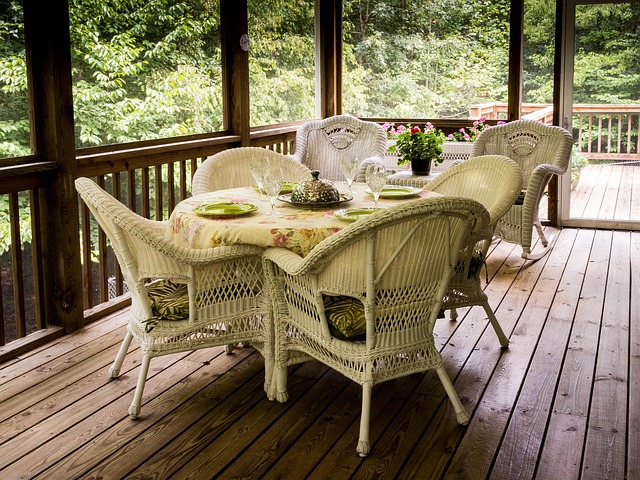
Your deck might be one of your favorite places to relax, entertain, or just enjoy a Carolina sunset—but it’s also exposed year-round to sun, rain, humidity, and foot traffic. Over time, these elements take a toll. That’s why it’s smart for homeowners to give their decks a quick checkup at least once a season.
Here’s a simple, 5-minute deck inspection guide that helps catch potential problems before they turn into costly repairs.
1. Start at the Base: Check the Footings and Posts
Use your foot to gently press or kick around the bottom of each post, especially if they’re in contact with the soil or rest on concrete piers.
What to look for:
- Rot or softness at the base of wood posts
- Shifting or leaning supports
- Cracks in concrete footings or separation from the post base
If posts are buried directly in soil without proper protection, they’re more vulnerable to moisture damage. Consider installing post anchors if you spot early rot.
2. Scan the Surface: Boards, Fasteners, and Stains
Walk slowly across your deck, paying attention to how the boards feel underfoot. If you notice a springy or bouncy area, that’s a red flag.
Look for:
- Loose, warped, or splintering boards
- Rusty nails or popped screws
- Dark stains or mold, especially near planters or high-traffic spots
Use a screwdriver or key to probe questionable spots. If wood is soft or flakes easily, you’ve likely got rot.
3. Focus on the Railings and Stairs
Give your railings a firm shake. These should feel solid and secure—not wobbly or creaky. Stairs should be evenly spaced and not spongy when stepped on.
Inspect for:
- Loose balusters or handrails
- Cracks at connection points
- Signs of decay where stairs meet the deck
A failing railing can be a serious safety hazard, especially for kids or older guests. Don’t ignore even small signs of weakness here.
4. Look Underneath: The Underside Tells the Truth
If your deck is elevated, take a minute to crouch underneath. A flashlight helps if it’s shaded.
Check for:
- Joist or beam cracks
- Rusting hangers or brackets
- Insect damage, like tunnels or frass (sawdust-like debris)
Wood-boring insects, especially carpenter bees and termites, can silently undermine a deck’s structure.
5. Test for Water Trouble
Water is the #1 enemy of any wooden deck. Splash a small amount of water on different sections of the decking.
If the water beads up, the sealant is probably intact.
If it quickly soaks in, it’s time to reseal.
Decks in humid climates—especially in areas with dense tree cover—may need sealing as often as once a year.
Bonus Tip: Check Your Ledger Board
If your deck is attached to your house, the ledger board is its main anchor point. Peek where the deck connects to the home’s exterior and look for:
- Flashing that’s missing or damaged
- Separation between the deck and house
- Signs of water intrusion into the siding or framing
A compromised ledger board is one of the most common causes of deck collapses, so this is a critical area.
Wrap-Up: What to Do If You Spot Issues
Small maintenance tasks—like replacing a few fasteners or applying a fresh coat of sealant—are easy DIY jobs. But if you see structural issues, extensive rot, or moisture problems, it’s time to call in a professional. Deck repairs aren’t just about appearance—they’re about safety.
Your deck doesn’t need to be perfect, but it does need to be secure. A few minutes of attention now can save you thousands later—and keep your outdoor space safe for family and friends all season long.
Need a more detailed evaluation? Scheduling a professional deck inspection every few years is always a good investment—especially before selling or after severe weather.
Stay safe and enjoy your deck!