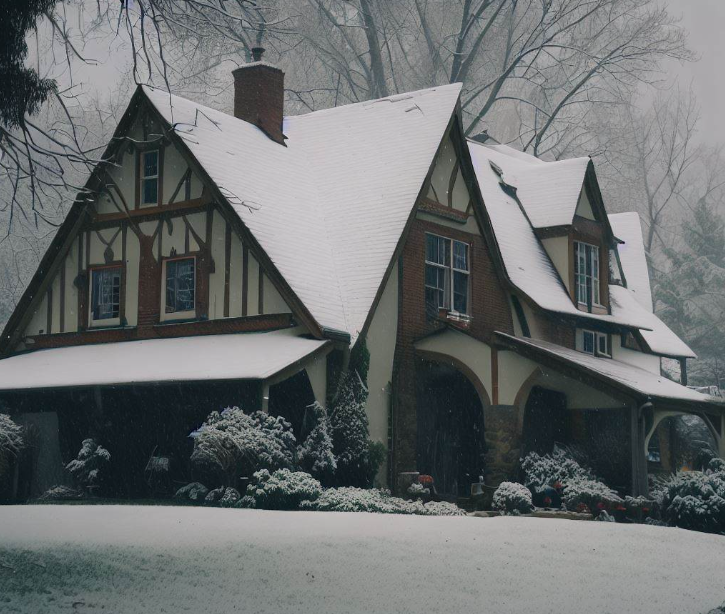
When it comes to buying or selling a home, the timing of a home inspection can significantly impact the results. While many people prefer to inspect homes during the more pleasant seasons of spring and summer, there are compelling reasons to consider having your home inspected in the winter. In this blog post, we’ll explore why winter home inspections can reveal more defects than inspections conducted in milder weather.
1. Temperature Extremes
Winter is a season of temperature extremes, with freezing cold temperatures outside and warm, cozy interiors. This stark contrast can stress a home’s systems and materials, potentially revealing defects that might go unnoticed in milder weather.
2. Heating System Efficiency
During the winter, the heating system is put to the test, working hard to maintain a comfortable indoor temperature. A winter inspection can uncover issues with the heating system’s performance, such as insufficient heating, uneven distribution of warmth, or malfunctioning components like furnaces or heat pumps.
3. Roof and Attic Inspections
Snow and ice can highlight potential problems with a home’s roof and attic. Inspectors can spot issues such as ice dams, which can lead to leaks and structural damage, or inadequate insulation and ventilation, which affect energy efficiency.
4. Plumbing Vulnerabilities
Cold weather can expose plumbing vulnerabilities that may not be apparent in warmer months. Frozen pipes and water damage from burst pipes are more likely to occur in winter. An inspection can identify insulation deficiencies or areas at risk of freezing.
5. Window and Door Sealing
Winter inspections can reveal drafty windows and doors, which can significantly impact energy efficiency and heating costs. Inspectors can check for gaps, sealing issues, and the overall condition of these crucial components.
6. Foundation and Structural Issues
Freezing and thawing cycles can place stress on a home’s foundation and structure. Cracks in foundations or walls may become more visible in winter as moisture expands and contracts, potentially indicating structural concerns.
7. Exterior Inspection
Winter’s harsh conditions can also affect a home’s exterior. Inspectors will look for issues such as damaged siding, rot, or peeling paint that may be less apparent during fair-weather inspections.
8. Driveway and Walkway Assessment
Snow and ice can reveal uneven surfaces, damaged walkways, and driveway issues that may not be as noticeable in summer. These can pose safety concerns and impact the property’s curb appeal.
9. Efficiency and Energy Loss
Winter inspections can help identify areas of energy loss, such as poorly insulated walls, attics, or crawlspaces. Addressing these issues can result in significant energy savings and improved comfort.
10. Negotiation Leverage
Identifying defects in winter can provide you with valuable negotiation leverage when buying or selling a home. Knowing about necessary repairs or potential problems allows for more informed negotiations.
Conclusion
While winter home inspections may not be the most comfortable option, they can provide a unique opportunity to reveal defects that might remain hidden during milder seasons. Temperature extremes, heating system efficiency, roofing, plumbing, insulation, and structural issues are all areas where winter inspections can offer valuable insights. Ultimately, conducting a home inspection in winter can lead to a better understanding of the property’s condition, potentially saving you time and money down the road. So, don’t shy away from winter inspections—embrace the cold and uncover hidden defects to make more informed real estate decisions.