
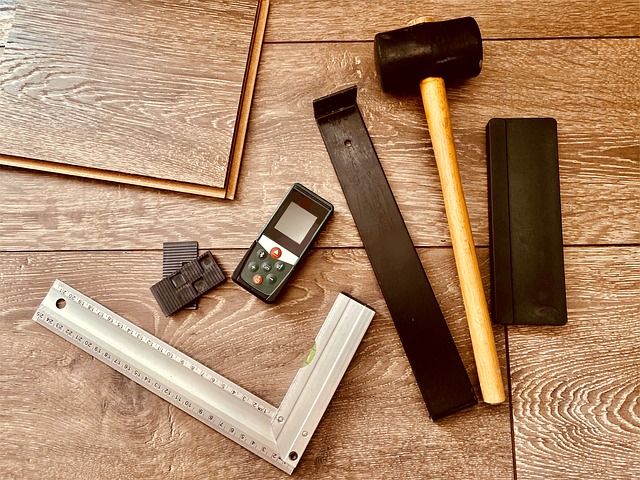
Laminate flooring is a popular choice for homeowners looking for an affordable and attractive alternative to hardwood. While it offers numerous advantages, it is not suitable for every space. Understanding its strengths and weaknesses can help homeowners make an informed decision about where to install it.
The Upsides of Laminate Flooring
- Affordability – One of the biggest advantages of laminate flooring is its cost-effectiveness. It provides the appearance of hardwood at a fraction of the price.
- Ease of Installation – Many laminate flooring options feature a click-lock system, allowing for straightforward, glue-free installation that even DIY enthusiasts can handle.
- Durability – The wear layer on laminate flooring resists scratches, stains, and fading, making it an excellent choice for high-traffic areas.
- Low Maintenance – Unlike natural wood, laminate does not require refinishing and can be easily cleaned with a damp mop.
- Variety of Styles – Modern printing technology allows laminate flooring to mimic the look of various wood species, stone, and tile, offering design flexibility.
The Downsides of Laminate Flooring
- Moisture Sensitivity – While laminate is more resistant to spills than hardwood, prolonged exposure to water can cause swelling and warping.
- Sound and Feel – Laminate can feel hollow underfoot, and without an appropriate underlayment, it can produce a clicking sound when walked on.
- Limited Refinishing Options – Unlike hardwood, which can be sanded and refinished multiple times, laminate cannot be restored once it wears out.
- Potential for Peeling and Chipping – The protective surface can chip at the edges over time, especially in high-impact areas.
- Environmental Concerns – Some laminate flooring contains adhesives with volatile organic compounds (VOCs), which may contribute to indoor air pollution.
Best and Worst Places for Laminate Flooring
Best Areas:
- Living Rooms and Bedrooms – Ideal for spaces with moderate foot traffic and minimal moisture exposure.
- Home Offices – Provides a professional aesthetic with durability against rolling chairs and furniture.
- Hallways – With its resistance to wear, laminate is a good fit for these frequently used pathways.
Worst Areas:
- Bathrooms – High humidity and potential for water spills make this a poor choice.
- Laundry Rooms – Washing machines can leak, and the constant presence of moisture can damage laminate over time.
- Basements – Unless properly climate-controlled, basements can trap moisture, leading to flooring damage.
Final Verdict
Laminate flooring is a versatile and budget-friendly option for many areas of the home, but it is not a one-size-fits-all solution. Careful consideration of environmental factors and household needs will ensure a long-lasting and visually appealing result. Proper installation and routine care can maximize its lifespan, making it a worthwhile investment for many homeowners.