
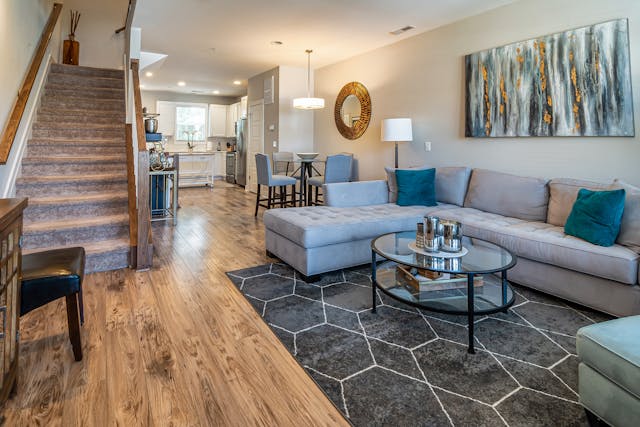
Open-concept living has become one of the most requested remodel styles across the Southeast. Removing walls to create larger, brighter spaces can absolutely transform a home—but it can also introduce problems that aren’t always obvious at the design stage. In practice, many open-concept remodels run into issues that could have been avoided with careful planning and a solid understanding of how houses actually function.
Below are some of the most common concerns that arise when walls come down.
Structural Complications
Some walls are carrying the load of the home, even when they don’t look like it. Removing or altering a load-bearing wall without proper engineering can lead to sagging floors, cracked drywall, sticking doors, or worse. Beams and columns can replace removed walls, but they must be correctly sized and supported all the way down to the foundation. Shortcuts in this area tend to show up months or years later.
Electrical and Mechanical Challenges
Walls often serve as pathways for wiring, plumbing, and HVAC components. When those walls disappear, systems must be rerouted—sometimes creatively. This can result in junction boxes hidden in ceilings, plumbing squeezed into floor cavities, or HVAC ducts that are undersized or poorly balanced. Open spaces frequently suffer from uneven heating and cooling if the system isn’t redesigned to match the new layout.
Moisture and Ventilation Issues
In this region, moisture control is a year-round concern. Combining kitchens, dining areas, and living spaces removes barriers that once helped contain humidity, cooking vapors, and grease. Without properly sized exhaust fans or range hoods vented outdoors, moisture can migrate into ceilings and wall cavities, increasing the risk of mold growth or material deterioration over time.
Noise and Privacy Trade-Offs
Open layouts are visually appealing, but sound travels easily. Televisions, kitchen appliances, and conversations can echo throughout the space. Homeowners are often surprised by how much ambient noise increases after walls are removed. Privacy can also become limited, particularly in homes where every square foot is actively used.
Fire Safety and Code Concerns
Walls can play a role in slowing the spread of fire and smoke, especially between garages and living spaces or between floors. Removing or altering them may reduce these protections if replacements aren’t installed correctly. Building codes often require specific fire-rated assemblies, and overlooking these details can create safety risks and complications during resale.
Resale and Practical Use
While open concepts are popular, not every buyer wants one large room. Removing too many walls can eliminate flexible spaces like offices or guest rooms, potentially limiting appeal down the road. Balance is key—openness should enhance livability, not reduce it.
Open-concept remodels can be successful, but they demand thoughtful planning beyond aesthetics. Understanding how structure, systems, and environment work together is essential before the first wall comes down.