
A peaceful home should provide a welcome escape from the sounds of busy streets, barking dogs, lawn equipment, or nearby construction. While it is impossible to eliminate every outside noise, there are many practical ways to reduce what makes its way indoors. In many cases, the biggest improvements come from addressing small gaps and weak points rather than investing in expensive remodeling.
Start by Finding the Weak Spots
Sound enters a home much like unwanted drafts. Even tiny openings around windows, doors, utility penetrations, and vents can allow surprising amounts of noise inside. Take a walk around the home and look for visible gaps, worn weatherstripping, or cracked caulking. Sealing these openings not only helps reduce noise but can also improve energy efficiency.
Give Windows Some Attention
Windows are often the largest source of outdoor noise. If replacing them is not in the budget, there are still effective options. Adding heavy, insulated curtains can soften incoming sound while improving privacy. Window inserts designed for noise reduction can also make a noticeable difference without replacing the existing window.
For homes near busy roads or airports, upgrading to double- or triple-pane windows with laminated glass may provide the greatest long-term improvement.
Don’t Overlook Exterior Doors
An exterior door that does not seal tightly can let in more than just outside air. Check that weatherstripping forms a complete seal when the door closes, and inspect the sweep along the bottom edge. Replacing worn seals is an inexpensive upgrade that can reduce both drafts and unwanted noise.
Solid-core doors also block sound more effectively than hollow-core alternatives.
Improve Wall and Attic Insulation
Insulation is commonly associated with temperature control, but it also helps reduce sound transmission. If exterior walls or attic spaces are under-insulated, adding insulation may noticeably improve indoor comfort while creating a quieter environment.
This is especially worthwhile during renovation projects when walls or ceilings are already open.
Use Landscaping to Your Advantage
Outdoor features can help absorb or deflect sound before it reaches the house. Dense shrubs, evergreen hedges, and well-placed fencing create natural sound barriers that may reduce traffic and neighborhood noise. While landscaping alone will not eliminate loud sounds, it can help soften them and improve the overall outdoor environment.
Add Soft Surfaces Indoors
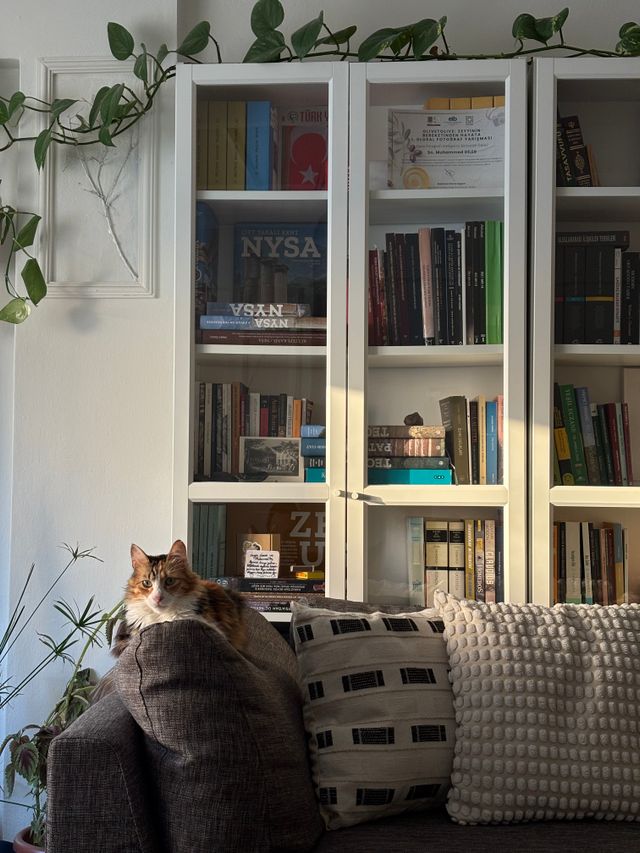
Hard flooring, bare walls, and minimal furnishings allow sound to bounce around interior spaces. Area rugs, upholstered furniture, fabric wall hangings, and even well-stocked bookshelves help absorb sound and reduce echoes, making rooms feel noticeably quieter.
A Quieter Home Starts with Small Improvements
Reducing outside noise rarely depends on one dramatic change. Instead, it is usually the result of several smaller improvements working together. Sealing gaps, improving window and door performance, adding insulation where needed, and incorporating sound-absorbing materials can all contribute to a more comfortable and peaceful living space. By identifying where noise is entering and addressing those areas methodically, homeowners can enjoy a quieter home without taking on a major renovation.