
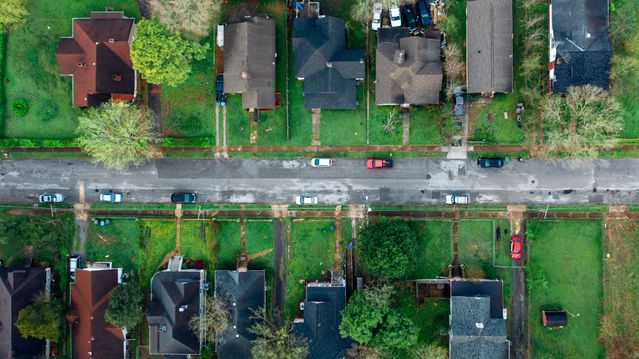
A well-maintained home can remain in good condition for decades. But the systems surrounding that home do not always age at the same pace. Roads, sidewalks, stormwater systems, sewer lines, water mains, and drainage infrastructure can deteriorate long before the house itself shows obvious signs of age.
When that happens, problems that appear to be “house issues” may actually begin outside the property line.
Why Aging Infrastructure Matters
Municipal infrastructure plays a major role in how water moves around and away from a property. As drainage systems become undersized, clogged, damaged, or poorly maintained, heavy rainfall can create conditions that older neighborhoods were never designed to handle.
Standing water near the foundation, soil erosion, saturated crawl spaces, and repeated yard flooding can result. In North Carolina, where intense storms and periods of heavy rainfall are common, these conditions deserve attention.
Aging sewer or water lines can create another concern. Leaking underground utilities may saturate surrounding soil, contribute to settlement, or cause persistent wet areas in a yard. A damaged sewer connection can also produce unpleasant odors, slow drainage, or recurring backups.
The House May Show the Symptoms
When surrounding infrastructure deteriorates, the home may eventually reveal the consequences.
Homeowners may notice:
- Cracks developing in foundation walls or masonry
- Doors and windows that become difficult to operate
- Uneven floors or localized settlement
- Damp crawl spaces or persistent moisture
- Soil washing away near the foundation
- Water pooling in areas that previously stayed dry
- Repeated plumbing or drainage problems
Not every crack or moisture issue is caused by municipal infrastructure. Normal settlement, grading, plumbing leaks, and aging building materials can produce similar symptoms. The important point is to look at the entire property rather than assuming the house is the only source of the problem.
Pay Attention to Patterns
One isolated puddle after a major storm may not mean there is a serious infrastructure problem. A recurring pattern is more meaningful.
Take note if water consistently collects near the same area, drainage appears to be getting worse, or neighboring properties are experiencing similar conditions. Changes in the street, curb, storm drains, or nearby construction can also provide useful clues.
Keep records of significant flooding, plumbing backups, and visible changes around the property. Photographs taken before and after major storms can be especially helpful when discussing concerns with the municipality, a plumber, drainage contractor, or structural professional.
Protecting the Property Starts With Observation
Homeowners cannot control the condition of public infrastructure, but they can catch warning signs early. Keep gutters and downspouts functioning properly, maintain positive grading where practical, inspect crawl spaces periodically, and address drainage concerns before moisture becomes a recurring problem.
When a property begins showing unexplained changes, a qualified home inspector can help identify visible conditions and distinguish routine maintenance concerns from issues that may require further evaluation.
The goal is not to assume that aging infrastructure will damage a home. It is to recognize that a house does not exist in isolation. What happens beneath the street, beyond the property line, and throughout the surrounding drainage system can eventually affect what happens inside the house.