
Eco-friendly home upgrades have become increasingly common, especially as homeowners look for ways to reduce energy costs, improve comfort, and appeal to environmentally conscious buyers. From an inspection standpoint, these features can be a real asset—but only when they’re installed correctly and maintained properly. Here’s how some of the most popular green upgrades tend to fare during a typical home inspection.
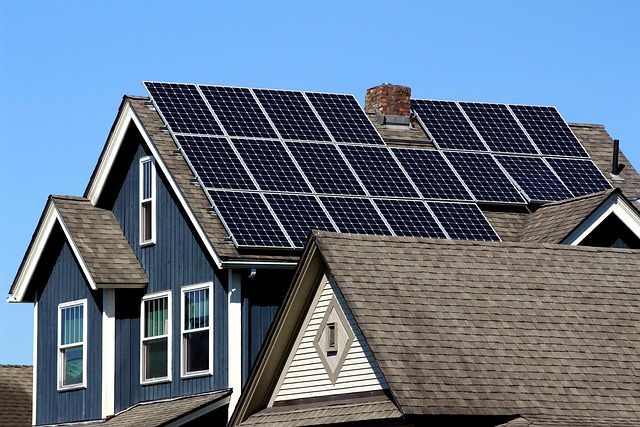
Solar Panels
Solar panels are often the most noticeable eco upgrade. During an inspection, the focus isn’t on energy production numbers, but on installation quality and roof impact. Inspectors look for proper mounting, secure flashing, and signs of roof damage or leaks around attachment points. Electrical components, such as inverters and shut-off access, are also checked for safe installation. Well-installed systems usually raise no red flags, but poorly penetrated roofs or aging shingles beneath panels can be a concern.
High-Efficiency HVAC Systems
Energy-efficient heating and cooling systems perform well in inspections when they’re sized correctly and professionally installed. Variable-speed heat pumps and high-SEER units are common upgrades. Inspectors still evaluate them the same way as conventional systems: overall condition, airflow, drainage, and safe electrical connections. One common issue is homeowners overlooking routine maintenance—dirty coils or clogged condensate lines can offset efficiency gains and show up in an inspection report.
Improved Insulation and Air Sealing
Upgraded insulation, sealed crawl spaces, and air sealing are generally viewed very positively. Inspectors check insulation depth, coverage, and ventilation balance, especially in attics and crawl spaces where moisture can be an issue. Spray foam insulation gets extra scrutiny to ensure it’s properly cured, not blocking ventilation paths, and not covering critical components that need access.
Energy-Efficient Windows and Doors
Modern windows and doors can improve comfort and reduce energy loss, but inspections focus on function and installation rather than efficiency ratings. Inspectors look for proper flashing, intact seals, smooth operation, and signs of moisture intrusion. Even high-end windows can cause problems if they’re poorly installed or if exterior drainage details were skipped.
Water-Saving Fixtures and Tankless Water Heaters
Low-flow fixtures generally pass inspection without issue as long as they function properly and don’t leak. Tankless water heaters, while efficient, are inspected closely for proper venting, gas supply sizing, electrical requirements, and manufacturer clearances. Improper installation is one of the more common issues noted.
The Bottom Line
Eco-friendly upgrades can enhance a home’s value and performance, but they don’t get a free pass during an inspection. Quality installation, code compliance, and ongoing maintenance matter just as much as efficiency claims. When done right, green features often shine in inspection reports and help a home stand out for the right reasons.